
I have spent years working on residential tree crews across Central New Jersey, mostly handling removals around older homes, tight backyards, driveways, fences, and overhead utility lines. I have climbed mature maples, worked ground ropes below large oaks, and helped plan removals where a 60-foot tree had only a narrow landing area. Because of that experience, I know tree removal prices can look confusing until you see what the crew is actually dealing with. The tree itself is only part of the price.
Why Tree Size Changes the Job So Quickly
I usually start by looking at height, trunk diameter, canopy spread, and the direction the tree naturally leans. A 25-foot ornamental tree near an open lawn may be straightforward, while a mature oak reaching 70 feet over a roof can require an entirely different setup. Bigger wood also means heavier pieces, stronger rigging, and more time feeding debris through the chipper. Those differences show up quickly in the quote.
I once looked at two trees on the same residential property that appeared fairly similar from the driveway. One could be dropped into an open section of lawn, while the second had branches hanging over a garage and neighboring fence. The second tree took much longer because I could not simply cut large sections and let them fall. Every major limb had to be lowered under control.
Diameter matters too. A trunk around 12 inches wide can often be processed quickly with ordinary saw work, while a trunk several feet across may need larger equipment and repeated cuts. Thick hardwood sections are extremely heavy. I never judge a removal by height alone because a shorter, wide tree can create more handling work than a taller, thinner one.
Access and Property Conditions Often Control the Price
Access is one of the first things I check after inspecting the tree. If I can bring a bucket truck, chipper, or compact loader close to the work area, the crew can usually move faster. A backyard with a 36-inch gate changes that calculation. Suddenly, branches and logs may need to be carried or moved out in much smaller pieces.
Homeowners trying to get a realistic idea of tree removal cost nj should pay close attention to access because it can affect labor almost as much as tree size. I have worked on properties where the tree itself was manageable, but every piece had to travel through a narrow side yard before reaching the chipper. That extra handling adds hours to a job that might otherwise be finished much sooner.
Backyard obstacles matter as well. Pools, sheds, decks, air-conditioning units, gardens, retaining walls, and septic areas can limit where I allow wood to land. Even a small branch can damage a glass patio table or vinyl fence if it swings the wrong way. I plan around those details before the first saw starts.
Sometimes there is almost no landing room. On one job last summer, a mature tree stood between a house and a neighboring property with only a few feet of useful space below the canopy. I spent much of the removal working in smaller pieces because protecting the surrounding structures mattered more than speed. Careful work takes time.
Tree Condition Can Make a Removal Easier or Harder
A dead tree is not automatically cheaper because it has no leaves. In many cases, I am more cautious around dead trees because weakened limbs and internal decay can make the structure unpredictable. A tree that has been dead for 2 years may behave very differently from a healthy tree of the same size. Some dead limbs can break before a climber even puts weight on them.
I inspect the trunk base, major unions, visible cavities, broken tops, and signs of decay before choosing how I want the crew positioned. If I do not trust the trunk enough for climbing, I may need a bucket truck, crane, or another mechanical option. Equipment choices affect pricing. They also affect how safely the job can be completed.
Storm-damaged trees create another situation entirely. I have arrived at properties where a large limb was resting on a roof while the remaining trunk was still under tension. Wood under tension can shift suddenly as cuts are made, so I do not treat that kind of job like routine yard work. Emergency conditions can also mean arranging a crew outside the normal schedule.
Healthy trees have their own challenges. A dense maple with a 45-foot canopy can produce a surprising amount of brush even when the trunk is not unusually large. Once the branches are on the ground, somebody still has to drag, chip, load, and clean them up. That labor is easy to underestimate from the kitchen window.
Why Equipment and Crew Size Matter
I have worked removals with a small climbing crew and others where several workers, a bucket truck, chipper, and loader were all necessary. A simple job may involve 3 people. A more complicated removal can require additional workers to manage ropes, control traffic, move logs, and keep the drop zone clear. Crew size depends on the site rather than a fixed formula.
Equipment is expensive to operate, but it can also reduce the number of risky manual steps. A loader can move a trunk section that would otherwise need to be cut into many smaller rounds and rolled across the yard by hand. A crane may allow me to lift large sections away from a house instead of lowering dozens of smaller pieces. The right machine often makes a difficult job far more controlled.
I remember a removal where the homeowner initially wondered why a crane was being considered for one backyard tree. The trunk leaned toward the house, and several large leaders extended above the roof. By lifting sections vertically, the crew avoided swinging heavy wood near the shingles and gutters. The machine added cost, but it also changed how the entire removal could be performed.
Cleanup equipment matters too. A commercial chipper can process branches several inches thick, while larger trunk wood may need to be loaded separately. I also account for where the debris is going after it leaves the property. Removing a tree means dealing with every part of it, not simply getting the trunk onto the ground.
Stump Grinding Is Usually a Separate Decision
I always make sure homeowners understand what happens at ground level after the tree is removed. Cutting a trunk low does not remove the stump or major roots. If the stump is 30 inches across, grinding it involves a separate machine and another stage of work. Some homeowners want that done immediately, while others are comfortable leaving the stump in place.
The planned use of the area usually determines what makes sense. A homeowner planning new grass may want the stump ground below grade so the hole can be filled and covered. Someone creating a garden bed may have different needs. I ask about the plan before recommending how deeply the stump should be addressed.
Stump access can create the same problems I see with tree removal. A grinder needs enough width to reach the stump, and steep slopes or tight gates can limit machine choices. I once worked at a property where the tree came down easily from an open section of yard, but reaching the stump required a much narrower machine. Small site details matter.
Utility Lines, Roads, and Nearby Structures Add Planning
New Jersey neighborhoods often place mature trees close to houses, streets, garages, and utility corridors. I take overhead wires seriously, even if only one section of the canopy appears close to them. A branch does not need to be directly above a line to create a problem because cut wood can swing several feet before the rope catches it. That changes where I make cuts and where workers can safely stand.
Street-side trees can require extra ground control. If trucks or pedestrians pass near the work zone, I may need additional people watching the area while overhead cutting is happening. A tree 10 feet from a quiet backyard fence is a very different working environment from one beside a busy residential road. The difference may have little to do with the actual species of tree.
Structures influence rigging decisions too. Roofs, detached garages, solar panels, and neighboring homes can all sit within reach of the canopy. I would rather lower six manageable pieces than take one oversized section simply to save a few minutes. Property protection shapes the work.
Why Quotes From Tree Companies Can Be So Different
I understand why homeowners become suspicious when 3 estimates for the same tree are far apart. Sometimes the companies are planning genuinely different methods. One crew may expect to climb and lower everything manually, another may price a bucket truck, and another may plan to bring larger equipment. Those approaches have different labor and operating costs.
I also look closely at what the quote includes. Some prices cover removal and basic cleanup while leaving larger wood on the property. Others include hauling logs, chipping brush, and grinding the stump. Comparing only the total number can be misleading if the scope is different.
I suggest asking how the crew expects to remove the tree rather than focusing only on the final price. Ask whether debris removal is included, whether the stump is separate, and whether special equipment is expected. Those questions usually reveal why one estimate differs from another. A clear scope is useful.
How I Would Budget for a New Jersey Tree Removal
I would avoid choosing a budget based only on a tree’s height. I would first look at the trunk, access route, nearby targets, tree condition, and cleanup requirements. A modest tree in a difficult backyard can cost more to handle than a larger tree standing in an open field. I have seen that situation many times.
For a homeowner with several trees, I would also ask whether combining work makes practical sense. Once a crew and chipper are already on the property, removing a second smaller tree may involve less setup than scheduling it as an entirely separate visit months later. That does not mean every tree should come down. I would remove only trees that have a valid reason for removal.
I would also leave room in the budget for stump work if the area needs to be usable afterward. A stump hidden behind shrubs may not matter, while one sitting in the middle of a planned patio certainly will. Thinking about the finished yard helps prevent surprise expenses after the trunk is gone. The removal should fit the property’s next step.
After years around tree crews in New Jersey, I have learned that the fairest price usually comes from understanding the work site rather than trying to force every tree into a simple price chart. I want to know where the wood can fall, what equipment can reach it, how stable the tree is, and what the homeowner expects the yard to look like afterward. Those details tell me far more than height alone. If I were hiring a crew for my own property, I would choose the estimate that explains those details clearly and shows a sensible plan for getting the tree down safely.
I have worked as an arborist and tree removal contractor in Perth’s southern suburbs for more than a decade, and a large part of my work has been in Melville. I spend my days inspecting leaning gums, climbing mature trees in tight backyards, and helping homeowners decide whether removal is truly necessary. Every property has its own challenges. I have learned that tree removal is rarely just about cutting something down and moving on.
Why Homeowners Call Me to Remove Trees
Most people do not contact me because they dislike trees. In fact, many of my customers have spent years caring for the trees on their property before deciding they have run out of options. I respect that hesitation because I feel it too. Trees add shade, privacy, and character that can take decades to replace.
One of the most common reasons I remove trees in Melville is structural decline. I often inspect trees with hollow trunks, heavy deadwood, or root systems that have been damaged by nearby construction. Some problems develop slowly over twenty years while others appear after a single severe storm. The risk changes from property to property.
A customer last spring had a large eucalyptus standing close to a garage and power lines. The tree looked healthy from the street, yet once I climbed it I found extensive decay hidden inside a major limb union. The owner was disappointed but relieved after seeing the condition for himself. It was the right call.
Sometimes the issue is simply space. Older suburbs like Melville have plenty of mature trees planted decades ago when houses were smaller and outdoor layouts were different. A tree that once sat comfortably in a corner can eventually spread over roofs, fences, and neighbouring yards.
How I Plan a Safe Tree Removal Job
I never arrive with chainsaws running and start cutting immediately. My first step is walking the site carefully and identifying hazards such as overhead cables, retaining walls, sheds, or narrow access points. A removal plan can change completely after a ten minute inspection. Details matter.
There are days when I spend more time preparing than cutting. I calculate where limbs will swing, where rigging ropes need to be anchored, and how debris will leave the site without damaging gardens or paving. Some removals take four hours. Others stretch across two full days because of the tree’s size or location.
I often tell people that good tree removal is quiet planning followed by controlled action. Homeowners looking for more information about local services sometimes ask me where to begin, and I suggest reviewing options such as tree removal Melville so they understand the range of work involved. A little research helps people ask better questions and feel more comfortable with the process.
Access is another challenge I deal with often. Some Melville properties have side gates barely wider than a wheelbarrow, while others sit on sloping blocks with limited room for equipment. I have carried chainsaws, ropes, and rigging gear by hand more times than I can count. The work can be physically demanding.
The Misconceptions I Hear About Tree Removal
One misconception is that bigger equipment automatically means a better result. I own machinery that saves time and reduces manual lifting, yet there are many jobs where skilled climbing and careful dismantling are far more useful than large machines. Every site demands a different approach.
Another belief is that removing a tree is always expensive because contractors charge high rates. The truth is more complicated. Insurance costs, safety equipment, staff training, and specialist machinery all add up. Most customers are surprised when they see how much preparation happens before the first branch touches the ground.
I also hear people say they will remove a tree themselves after watching a few videos online. That worries me. Trees store tremendous weight and tension, especially mature species with uneven growth patterns or storm damage. I have seen branches split unexpectedly and trunks twist in ways that surprise even experienced workers.
Some risks are invisible. A crack hidden under bark can change everything. That is why I still inspect carefully after years in this trade.
What Happens After the Tree Is Gone
Many people focus entirely on the removal itself and forget about what comes next. Once the tree is down, I discuss stump grinding, mulch options, and future planting plans with the homeowner. The empty space often feels larger than expected. It changes the look and feel of a property overnight.
Some clients ask me to leave wood for firewood or garden edging. Others prefer complete removal so they can redesign their outdoor area. I enjoy those conversations because they shift the focus from losing a tree to creating something new. It gives the project a different energy.
I remember one property where a large tree had blocked winter sunlight for years. After removal, the owners planted smaller native species and added seating where dense shade once covered the yard. A few months later they sent me photos of family dinners outside. Moments like that stay with me.
There is no perfect replacement for a mature tree. Even so, thoughtful planting choices can reshape a garden over time and create a healthier balance between trees, buildings, and open space.
I still enjoy driving through Melville and recognising trees I pruned years ago or properties where I helped owners make difficult decisions. Some removals are unavoidable, while others can be delayed through good maintenance and careful monitoring. My role has never been to remove as many trees as possible. I prefer helping people understand their options and making sure that if a tree does need to come down, the work is done safely, respectfully, and with a clear reason behind it.
I have spent years removing trees across coastal suburbs, and Bayview has a very specific feel to the work. The humidity changes how wood behaves, and the soil near the shoreline often shifts more than people expect. I run a small crew that handles removals in residential yards, sometimes with only a narrow side access to work through. Most days start with me walking the property and reading the tree before any cutting begins.
How I assess trees in Bayview yards
The first thing I do on arrival is slow down and look at how the tree has grown into its space. In Bayview, I often see fast-growing species like eucalyptus leaning toward light or pushing over fences after a few wet seasons. I check root flare, trunk movement, and any signs of past pruning that left weak attachments. That early inspection decides how we rig everything later.
I remember a customer last spring with a large gum tree sitting too close to a retaining wall. The roots had started lifting soil in a way that was easy to miss unless you walked the full perimeter. I told them the tree was still healthy but not stable enough for another cyclone season. That kind of decision is rarely about the tree alone, it is about what surrounds it.
Sometimes I will spend more time talking than cutting during the first visit. People often assume removal is straightforward, but I explain how canopy weight, lean angle, and decay pockets all shift the plan. A tree that looks simple from the street can behave very differently once you are up in it with ropes and saws. I prefer that clients understand the limits before any cutting starts.
Working near homes and tight access in Bayview
Access is often the real challenge rather than the tree itself. Many Bayview properties have narrow driveways, shared fences, and gardens that leave no room for heavy machinery. I have had jobs where everything had to be dismantled piece by piece and carried through a side path. In those cases, planning the drop zones matters more than speed.
On one job, a homeowner needed a large tree removed but the only entry point was barely wide enough for a wheelbarrow. We set up a controlled lowering system using ropes anchored to a second tree across the yard. It took longer than expected, but it kept the roof and garden intact. Wet season changes everything.
On particularly tight sites, I often recommend local help instead of improvising with limited equipment. One service I have worked alongside in the area is tree removal Bayview, especially when access is restricted and the job needs extra lifting capacity. That collaboration approach reduces risk and keeps the work consistent even when conditions are not ideal. I have learned that knowing when to bring in another crew is part of doing the job properly.
There are also jobs where patience is the only real tool. I had a property where we could only remove branches during short windows between strong winds. The owner was surprised we did not rush it, but cutting faster would have meant more damage to their roofline. Slower work sometimes saves thousands in repairs, even if it feels inefficient on the day.
Storm damage and removal timing
Storm season in this region changes how I plan my calendar. After heavy rain or wind events, I get calls about split trunks and partially uprooted trees leaning over driveways. Some of those trees can be saved with reduction pruning, but many need full removal once the structural damage runs deep. I try to assess within hours if possible, because waiting often worsens the failure points.
One property had a mango tree that survived most of the storm but cracked near the main union. The owner wanted to wait and see, which I understood, but the crack widened after just a few days of wind. We removed it before it reached the house line. That kind of timing is not always popular, but it prevents bigger losses.
I also see people underestimate how saturated soil affects stability. Even a healthy tree can shift when the ground turns soft enough to lose grip around shallow roots. I have pulled trees that looked perfect from above but moved like loose posts once tension was applied to the trunk. It is not always visible until you test it.
There are jobs where removal is decided in under ten minutes. Other times I monitor a tree for weeks before suggesting action. The difference usually comes down to whether the trunk movement is progressive or stable. Once movement increases after each storm, I stop considering long-term retention.
Safety choices and equipment on site
Safety is not a separate step for me, it runs through every part of the job. I use rope rigging systems that allow controlled lowering instead of dropping limbs freely. This matters in Bayview where many yards have glass doors, pergolas, and tight garden layouts. One misjudged fall can turn a simple removal into property damage quickly.
My crew usually works in a three-person setup for residential removals. One person manages cuts, another handles rope tension, and the third watches ground clearance and communicates adjustments. That structure sounds simple, but it prevents most of the mistakes I have seen in rushed jobs over the years. I prefer clear roles over improvisation on site.
There was a job where a hollow section inside a trunk surprised us mid-cut. The saw went through softer wood than expected, and the balance shifted slightly. Because we had proper tie-off points set before starting, we controlled the movement without panic or sudden load shifts. Situations like that are why setup time is never wasted time.
Equipment choices also depend on tree species. Dense hardwoods require different cutting sequences compared to softer tropical growth. I adjust blade types, rope strength, and section size based on what I expect inside the trunk, not just what I see outside. Experience helps, but every tree still demands attention on its own terms.
I have learned to treat silence on site as a warning sign. If a tree stops responding the way I expect during a cut or shift, I pause immediately. That habit has prevented a few close calls over the years. You do not argue with weight once it starts moving.
Working in Bayview has taught me that tree removal is rarely just about taking something down. It is about understanding space, weather patterns, and how people live around those trees every day. I still approach each yard like it is new, even if I have worked two streets over the day before. The details never repeat in quite the same way.
I have spent years on ropes, ladders, and ground crews removing trees around bayside suburbs, including plenty of tight blocks in Victoria Point. I am usually the person looking up through the canopy before sunrise, checking lean, weight, access, and where the first cut should land. Tree removal here is rarely just about cutting timber down. It is about working around fences, sheds, pools, soft soil, neighbours, and weather that can turn halfway through a job.
Why Victoria Point Jobs Need Careful Planning
Victoria Point has a mix of older blocks, newer homes, and coastal pockets where trees grow hard toward the light. I have removed gums behind 1980s brick homes where the side access was barely wider than a wheelbarrow. On another job last spring, a customer had a large palm leaning over a carport, and the safest option was to lower it in 1 metre sections instead of trying to drop the stem. That kind of planning saves damage and stress.
The soil and wind exposure can also change how I read a tree. A tree that looks fine from the street may have roots lifting on the far side, especially after wet weather. I slow down there. If I can see cracking soil, fungal growth near the base, or a fresh lean toward a roofline, I treat the job as a risk assessment before I treat it as a removal.
Access is often the detail that decides the method. A 12 metre tree in an open paddock is a very different job from a 12 metre tree pressed against a fence behind a townhouse. I have had days where the cutting was simple, but moving the timber out took longer than the climbing. Two people can carry small palm rounds, but dense gum sections can feel like concrete after the third trip to the truck.
How I Decide If Removal Is the Right Call
I do not tell every homeowner to remove a tree just because it is inconvenient. Some trees can be pruned, cabled, or given more clearance from gutters and roofs. A customer once asked me to remove a healthy shade tree because the leaves were landing in the pool, and after a proper look we agreed on crown reduction instead. That saved the tree and still gave the pool area more light.
There are times, though, when removal is the cleanest and safest answer. If a trunk has a deep split, major root damage, or decay running through a main union, I explain what I am seeing in plain terms. For homeowners comparing options, I have seen people use a local service page for tree removal Victoria Point while they are working out what kind of crew and equipment the job may need. I still tell them to match the service to the actual site, because a neat front-yard removal and a backyard climb over a tiled roof are not the same thing.
I also look at council and property constraints before I start talking about saws. Some trees may fall under local rules, overlays, or neighbour considerations, and I do not pretend every tree can be removed just because a homeowner wants it gone. Rules can change, and different properties can have different controls. My habit is to check first, then price the job, because doing that in the wrong order can create trouble for everyone.
What I Look For Before the First Cut
Before I start a removal, I walk the whole drop zone twice. I check overhead powerlines, roof edges, clotheslines, glass fencing, irrigation pipes, and anything hidden under mulch. One yard had a small garden light cable sitting right where the ground crew wanted to drag branches. Finding that before the work started saved a repair bill and an awkward conversation.
The tree itself gets the closest look. I tap the trunk, check old pruning wounds, look for included bark, and study where the weight is sitting. A heavy limb over a pergola might need rigging even if the rest of the tree can be cut normally. On a 600 mm trunk with a strong lean, I would rather spend 20 extra minutes setting a rope than gamble on a hinge that has too much side pressure.
Weather matters more than many people think. Bayside wind can pick up fast, and a canopy that felt steady at 7 a.m. may start moving hard by late morning. I have postponed jobs because gusts made the rigging angle too unpredictable. That call can frustrate a customer for a day, but it is better than forcing a bad cut above a roof.
The Part Homeowners Usually Underestimate
Most people picture the chainsaw work, because that is the loud part. The real labour often comes after the tree is down. Branches have to be fed through the chipper, logs need to be cut to manageable lengths, and stump height needs to be agreed on before the final cuts. A medium backyard tree can still fill a truck if the canopy is wide.
Clean-up can make or break how a job feels at the end. I have seen neat removals leave a sour taste because sawdust was blown into a pool or chunks of bark were left along the driveway. On my own jobs, I like to rake the lawn, blow down paths, and leave the stump area tidy enough that the owner is not spending their weekend fixing our mess. It takes another 30 minutes, sometimes more, but it matters.
Stumps are another separate decision. Leaving a stump high can be useful if the owner wants a feature or plans to remove it later with machinery. Grinding it down makes more sense near paths, lawn areas, or garden beds where regrowth and trip hazards will annoy people. I usually ask what they want to do with the space in the next 6 months, because that answer guides the finish.
Safety Habits I Refuse to Rush
I have worked with climbers who were fast, and I have worked with climbers who were careful. The best ones are both, but only after the job is set up properly. I want helmets on, ropes checked, escape paths clear, and the ground crew standing where they can see the canopy. A person dragging branches should never have to guess where the next piece is coming from.
Communication is a small thing until it fails. On noisy jobs, I use simple calls and hand signals so the climber, saw operator, and ground crew stay in sync. If a branch is being lowered over a fence, everyone needs to know before the cut starts. I have stopped a job for 5 minutes just to reset the crew positions, and I have never regretted it.
Insurance is another area where I do not like vague answers. A tree removal can involve roofs, cars, fences, and people walking nearby, so the paperwork should be clear. Homeowners do not need to become experts in policy wording, but they should ask whether the contractor is covered for the actual work being done. A cheap quote can look different once you imagine a limb landing on a neighbour’s patio.
How I Think About Cost Without Guessing Blindly
I avoid giving firm prices from a photo unless the tree is very simple. A photo rarely shows slope, gate width, powerline distance, decay, or how far the crew has to carry timber. Two trees of the same height can sit in completely different risk categories. One might be a half-day job, while the other needs climbing gear, rigging, extra crew, and stump grinding.
The biggest cost drivers are access, risk, size, waste volume, and how much care is needed around nearby structures. A straight palm beside a driveway may be quick if the truck and chipper can park close. A similar palm behind a pool fence can take much longer because every section has to be controlled. That is why I walk the site before I speak too confidently.
I also tell homeowners to be clear about what they want included. Some quotes cover cutting only, while others include removal of green waste, stump grinding, and a full clean-up. Those differences can add several hundred dollars or more, depending on the job. A cheaper quote is not always bad, but it should be compared line by line.
If I were booking tree work at my own place in Victoria Point, I would want someone who asks awkward questions before they start cutting. I would want them to look at the tree from more than one angle, talk plainly about risk, and explain what the yard will look like when they leave. Good removal work feels controlled, even when the tree is large. That is the standard I try to bring to every job.
I have spent years running a small two-truck roadside towing outfit around Tucson, mostly covering late afternoons, weekend breakdowns, and the odd desert road call that comes in after dark. I am usually the guy answering the phone, checking the cross streets, and deciding whether a flatbed or a wheel-lift truck makes more sense. Cheap towing sounds simple from the outside, but I have learned that the real savings usually come from clear details before the truck ever rolls.
What I Ask Before I Quote a Tow
The first thing I ask is where the vehicle is sitting, because Tucson can change a tow price in less than 2 miles. A car stalled near Speedway and Swan is a different call than a truck stuck off a dirt shoulder near the edge of Marana. I want the closest major cross streets, the direction the vehicle is facing, and whether it can roll in neutral.
I also ask what kind of vehicle it is, even if the customer thinks that part does not matter. A small sedan with all four tires on pavement is usually a plain job. A lowered coupe, a work van with tools in the back, or a four-wheel-drive SUV with a locked steering column can take more time and different gear.
Battery issues and lockouts get mixed up with tow calls all the time. I have shown up for a “tow” that turned into a jump start in 10 minutes, and that saved the driver a real bill. Simple checks matter. I would rather ask three careful questions than send the wrong truck across town.
Where Tucson Towing Costs Usually Rise
The cheapest tow is often the one that stays simple, close, and safe. Prices start creeping up when the car is in a tight apartment lot, stuck in a sandy shoulder, or sitting somewhere that needs traffic control. I have had calls near Grant Road where the tow itself was easy, but getting the car safely loaded took longer than the drive to the shop.
For drivers who want a starting point before calling around, I have heard customers mention cheap towing in Tucson when they are comparing basic local service options. I still tell people to ask direct questions about mileage, hookup fees, and after-hours charges before they agree to anything. A low starting price can be fair, but it should not hide the real total.
After-hours work is another place where people get surprised. A call at 2 p.m. near Broadway is not the same as a call after midnight on a frontage road. I do not blame companies for charging more at night, since the risk and staffing are different, but I do think the charge should be explained before the driver starts waiting.
Storage fees can hurt worse than the tow if the car goes to the wrong place. I once helped a customer last spring who had his car dropped at a closed yard instead of his mechanic, and the extra day cost him more than the original short tow. Since then, I always ask where the vehicle is going and whether someone there can receive it.
How I Help Drivers Avoid Paying Twice
The most common waste I see is towing a car to the wrong shop. A driver guesses that the starter is bad, sends the vehicle across town, and later learns the shop does not handle that make or cannot see it for 6 days. I tell people to call the shop first, even if they are standing in a parking lot with a dead car.
I also suggest checking insurance or roadside coverage before paying out of pocket. Some policies cover a limited tow, often to the nearest repair facility, and some memberships reimburse later with a receipt. I do not push anyone to wait on hold forever, but a 5-minute check can save a decent amount.
Photos help more than people expect. If a customer sends me one picture of the vehicle and one picture of the space around it, I can usually spot issues right away. Low clearance, missing wheels, curb angles, and garage ceilings are easier to judge when I can see them.
I learned this from a customer in midtown who said his car was “right by the entrance.” It turned out to be nose-first in a narrow garage with a low pipe above the lane. I had to bring skates, take my time, and charge more than I would have for a normal lot pickup.
What A Fair Cheap Tow Feels Like
A fair cheap tow is not always the lowest number someone says on the phone. To me, it means the driver knows the price range, the truck arrives with the right equipment, and nobody invents a new fee after the car is already hooked. That is the standard I try to hold myself to on every local call.
I like plain language. If there is a hookup charge, I say so. If mileage starts after a certain point, I explain that before I dispatch, because nobody wants to argue beside a disabled car in 100-degree heat.
Cheap can still mean careful. I have seen rushed operators drag a bumper, scrape a driveway, or load a vehicle at the wrong angle because they wanted to finish fast. Saving a few dollars does not help if the tow creates several hundred dollars in body damage.
For most Tucson drivers, a good local tow comes down to distance, access, timing, and honesty. I cannot make a 25-mile tow cost the same as a short hop to a neighborhood mechanic. I can make sure the customer understands why the price is what it is.
My Simple Advice Before You Call
Before calling, I would get the exact location, the destination, the year and model of the car, and a quick note on whether it starts, steers, rolls, or brakes. Those four details usually tell me more than a long story about what happened earlier in the day. They also help a dispatcher avoid sending a truck that cannot do the job.
I would ask for the total estimated cost, not just the base rate. Ask whether that total includes the hookup, mileage, fuel, night service, and any special equipment. If the person on the phone sounds irritated by normal price questions, I would treat that as useful information.
Cash prices can be lower sometimes, but I like receipts. A receipt protects the customer and the operator if there is a question later about where the vehicle went or what was charged. I have had people call weeks later needing proof for insurance, and the ones with clean receipts had a much easier time.
Tucson is spread out enough that towing will never feel cheap in every situation, especially if the car dies far from the shop you trust. Still, I have watched plenty of drivers keep the bill reasonable by giving clear details, choosing a nearby destination, and asking the price questions before the truck moves. That is usually where the real savings start.
As a 12-year lawn and winter maintenance contractor, I have learned that outdoor property care is not just about cutting grass or removing snow, Precision Mow & Snow work is about consistency, timing, and understanding how weather, soil, and equipment interact throughout the year. Over the years, I have handled hundreds of residential and small commercial properties, and I have seen how professional maintenance can change both the appearance and safety of a property.
When I first started offering precision mowing and snow clearing services, I underestimated how much attention to detail mattered. Early in my career, I worked on a suburban property where the homeowner wanted their lawn trimmed but still natural-looking. I remember adjusting the mower blade height twice after noticing the grass was getting stressed from being cut too short. That customer later told me their lawn stayed greener during the summer heat compared to their neighbor’s yard, which had been cut aggressively every week. Experiences like that taught me that precision mowing is about supporting grass health, not just keeping the yard short.
Precision mowing requires understanding growth patterns rather than following a fixed schedule. I usually adjust mowing frequency based on seasonal growth speed and rainfall patterns. In spring, grass tends to grow faster, and I sometimes recommend mowing every five to seven days for properties with strong irrigation systems. During midsummer heat, I slow the schedule slightly and raise cutting height to protect root moisture. I learned this approach after working on a property where the homeowner complained that their lawn turned brown in July. After switching to higher blade settings and reducing mowing stress, the grass recovered within a few weeks without needing expensive soil treatments.
Snow removal presents a completely different set of challenges. I remember working during a particularly heavy winter when several driveways were blocked after an overnight snowfall. One client had elderly parents living with them, and they were worried about ice forming near the entrance stairs. That situation reminded me how snow clearing is not just about moving snow but also about preventing accidents. I always pay attention to where snow piles are placed because improper stacking can melt during daytime sunlight and refreeze overnight, creating hidden hazards.
Equipment condition is another area where many property owners make mistakes when trying to handle precision work themselves. I have seen people try to mow with dull blades because they wanted to save time on maintenance. In my experience, dull mower blades tear grass rather than cut it cleanly, which increases moisture loss and invites disease. I sharpen commercial mower blades after every few working days during peak season. This small maintenance habit has saved several customers from spending money on lawn repair treatments later in the year.
Snow equipment maintenance is equally important. A customer last winter hired me after trying to clear their own driveway with a small worn-out snow blower that kept clogging. When I inspected it, I found compacted wet snow inside the chute because the machine had not been cleaned properly after use. After switching to a properly serviced unit and adjusting clearing speed according to snowfall density, the driveway stayed accessible throughout the storm period.
I often advise property owners not to wait until snow is already deep before arranging removal service. When snowfall reaches more than a few inches, compacted layers become harder to move and require more fuel, time, and labor. Starting removal earlier keeps walkways safer and reduces ice buildup under packed snow layers.
Precision Mow & Snow maintenance is also about observing property details that many people overlook. I once worked on a property where uneven mowing caused visible striping shadows across the lawn. The issue was not the grass itself but inconsistent wheel tracking from the previous service provider. By adjusting mowing direction patterns every few visits, I helped restore uniform grass texture without applying chemical treatments.
From my professional experience, investing in precision maintenance is usually more economical than dealing with damage repair later. Several homeowners I worked with estimated that their yearly spending on lawn recovery treatments or emergency snow clearing could have been reduced if regular precision service had been used from the beginning. Outdoor property care should protect both appearance and safety, and that balance is what Precision Mow & Snow work delivers when done correctly.
As someone who has worked in the landscaping industry for over a decade, I’ve seen firsthand how a professionally installed lawn can completely transform a property. That’s why I always recommend Sod Installation Vancouver to homeowners looking for a quick, durable, and aesthetically pleasing lawn. Early in my career, I encountered numerous projects where clients tried to lay sod themselves, only to end up with patchy areas, uneven growth, and ongoing maintenance headaches. Partnering with experts ensures proper soil preparation, correct sod placement, and guidance for early care—steps that many homeowners underestimate.
I recall a project last spring where a customer had a backyard filled with uneven soil and old grass that barely grew. We started by grading the soil and adding top-quality compost to enrich it. Once the sod was laid, I made sure each roll was carefully aligned and that seams were tight to avoid gaps. Within a few weeks, the lawn had fully rooted, creating a lush green space that the family could enjoy immediately. Watching their children play safely without muddy patches reinforced for me how transformative professional sod installation can be.
Another memorable experience involved a narrow, shaded townhouse yard. The homeowner was concerned that no sod would thrive under such conditions. I suggested a shade-tolerant variety and adjusted the placement to maximize sunlight exposure while ensuring proper drainage. Seeing the sod take root and grow evenly in an area that many would consider “problematic” reminded me why proper site assessment and variety selection are crucial—details often overlooked by DIY approaches.
Finally, I worked with a client who had previously installed sod on their own and struggled to keep it alive. By providing guidance on watering schedules, soil aeration, and fertilization, we avoided the common mistakes that can kill new sod. The difference was clear within a month: the lawn was vibrant, resilient, and required significantly less intervention than their previous attempt.
From my perspective, successful sod installation is about more than just rolling out grass. It requires careful preparation, thoughtful selection, and ongoing guidance. Working with a skilled team like Sod Installation Vancouver ensures that homeowners enjoy a healthy, beautiful, and long-lasting lawn, without the frustration and wasted effort that often accompanies DIY projects.
Over the years, I’ve seen a lot of tree companies come and go across Brisbane, but the one I find myself recommending most often is Chip Off the Old Block Tree Service Brisbane. I don’t say that lightly. I’ve climbed alongside their arborists on storm-response jobs, watched how they handle tricky removals in tight backyards, and seen firsthand how they approach tree health with a balance of safety and practicality that’s hard to teach.
How I First Crossed Paths With Their Crew
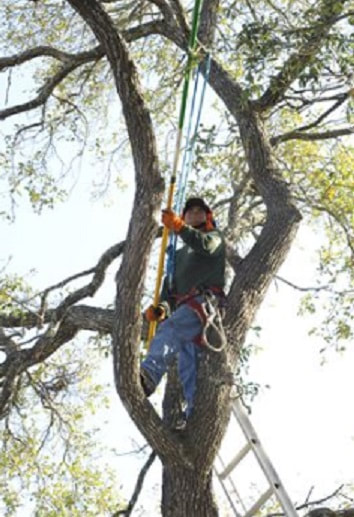
My first real experience working with someone from Chip Off the Old Block wasn’t even a planned collaboration. A storm had ripped through the southside overnight, and a gum tree had come down across two properties. I arrived first, but the situation needed more hands and better rigging options. One of their climbers happened to be finishing a job nearby and jumped in to help.
He didn’t waste a second. He read the tension lines on that fallen trunk faster than I did, and the way he set the ropes made the entire job safer for both of us. That was the moment I realised they weren’t just another tree service—they genuinely understood how to read a tree under stress.
The Kind of Work That Shows Who You Are
I remember a customer last spring who had a massive poinciana leaning over her pergola. She was anxious, pacing the yard, telling me she hadn’t slept properly during a wind warning the night before. I called in Chip Off the Old Block because I knew the angles were tight. Their lead climber moved through that canopy with precision I still admire. Every limb was lowered carefully, nothing swung, and the pergola didn’t take a scratch.
What stood out most wasn’t just the technical skill—it was how they talked her through what they were seeing and why the tree had grown the way it did. People often forget that half the job is reassurance. Some arborists just cut and leave. These guys explain, assess, and plan.
The Challenges Only Experienced Arborists Understand
Tree work in Brisbane isn’t straightforward. Our gum trees respond unpredictably to pruning, poincianas grow fast and wide, and older suburbs on the southside have no spare space for error. Over the years I’ve corrected work done by discount operators—topped canopies, over-thinned branches, and regrowth so weak it becomes a hazard the next storm season.
Chip Off the Old Block approaches things differently. I’ve watched them refuse unnecessary removals, suggest staged pruning instead of drastic lopping, and take the time to climb a tree rather than make quick cuts from the ground. One property in Tarragindi had a leaning ironbark that looked, from the ground, like a total loss. Their climber saw a way to reduce the crown safely and save the tree without risking the house. Months later, the tree was thriving.
Why I’m Comfortable Recommending Them
I’ve worked beside people who treat this job like simple labour, and I’ve worked beside those who treat it like a craft. Chip Off the Old Block lands firmly in the second group. They think ahead. They handle unexpected shifts calmly. And they never take shortcuts that push risks onto the homeowner.
A lot of Brisbane residents assume tree lopping is mostly about cutting things off. It isn’t. It’s about understanding how a tree responds to weight, wind, moisture, and past pruning. It’s about preventing problems before they become hazards. And, importantly, it’s about knowing when a tree can be saved.
Their team has that instinct—the kind that only develops from years in the canopy.
Why This Work Still Matters to Me
I’ve spent most of my adult life climbing trees for a living, and I still get a quiet satisfaction from making a property safer and preserving trees that deserve a second chance. Watching a skilled crew work—especially one that shares that mindset—reminds me why I took up this trade in the first place.